Why we exist

From day camp to data platform

The Finding Urban Nature team has spent years running STEM outreach for underserved communities in Montréal — day camps funded by Canada Summer Jobs and ACTUA, taking kids to green spaces across NDG and CDN-NDG.

When the city closed our green space, we started using a tiny forest planted by UPS near our neighbourhood. 600 trees arrived one morning with no sign, no community engagement, no follow-up. We threw a birthday party for it. We watched it grow. And we realized nobody was measuring whether it was actually working.

That question — is this planting working? — is what Nature Contact was built to answer. Not just for our tiny forest. For every municipality, university, and community group that has made a sustainability commitment and planted trees to meet it, without any way to know if those trees are doing what they're supposed to do.
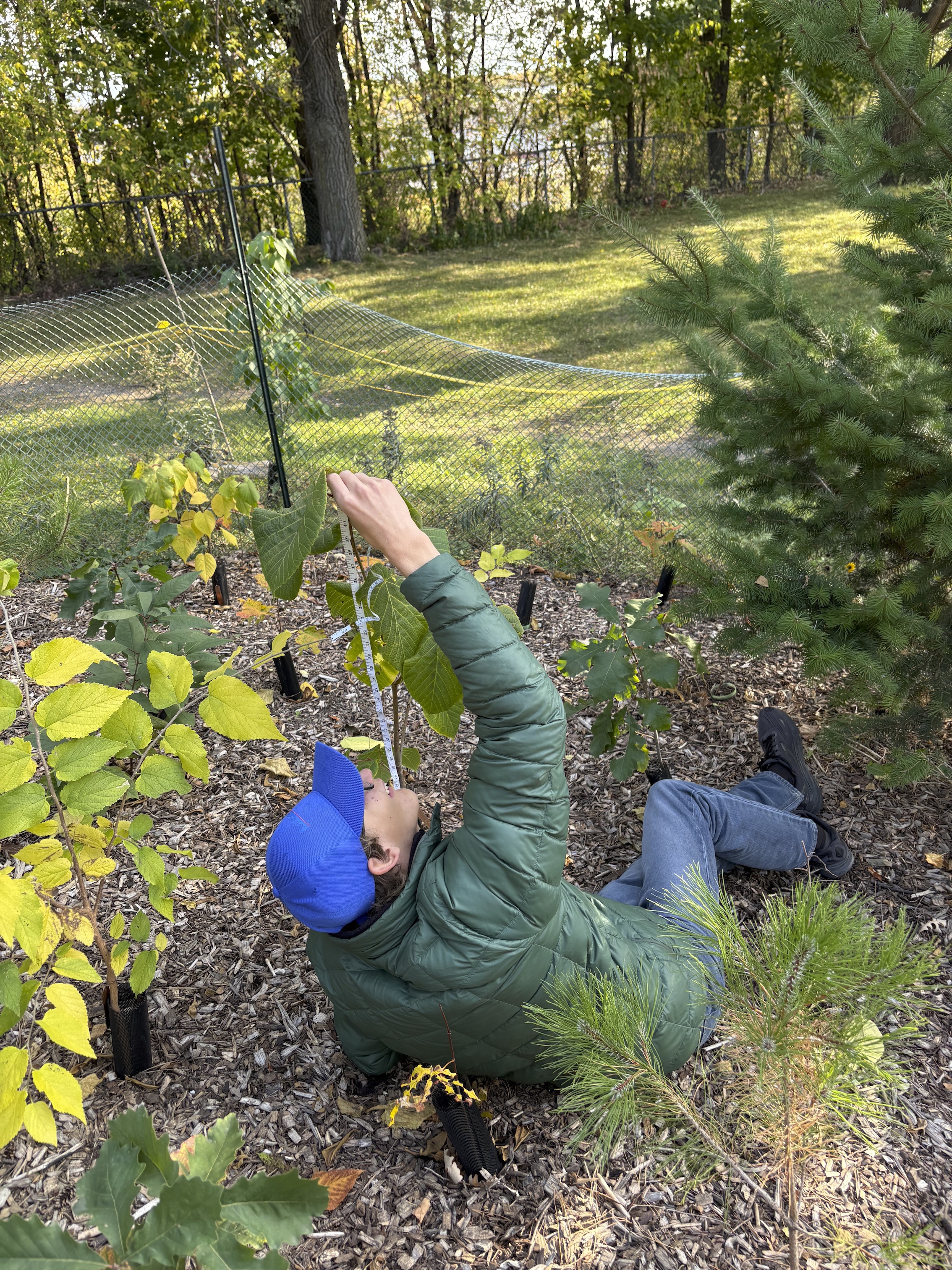
Researcher lying on the forest floor carefully measuring a young sapling in the NDG tiny forest

NDG tiny forest · measuring growth, October 2025
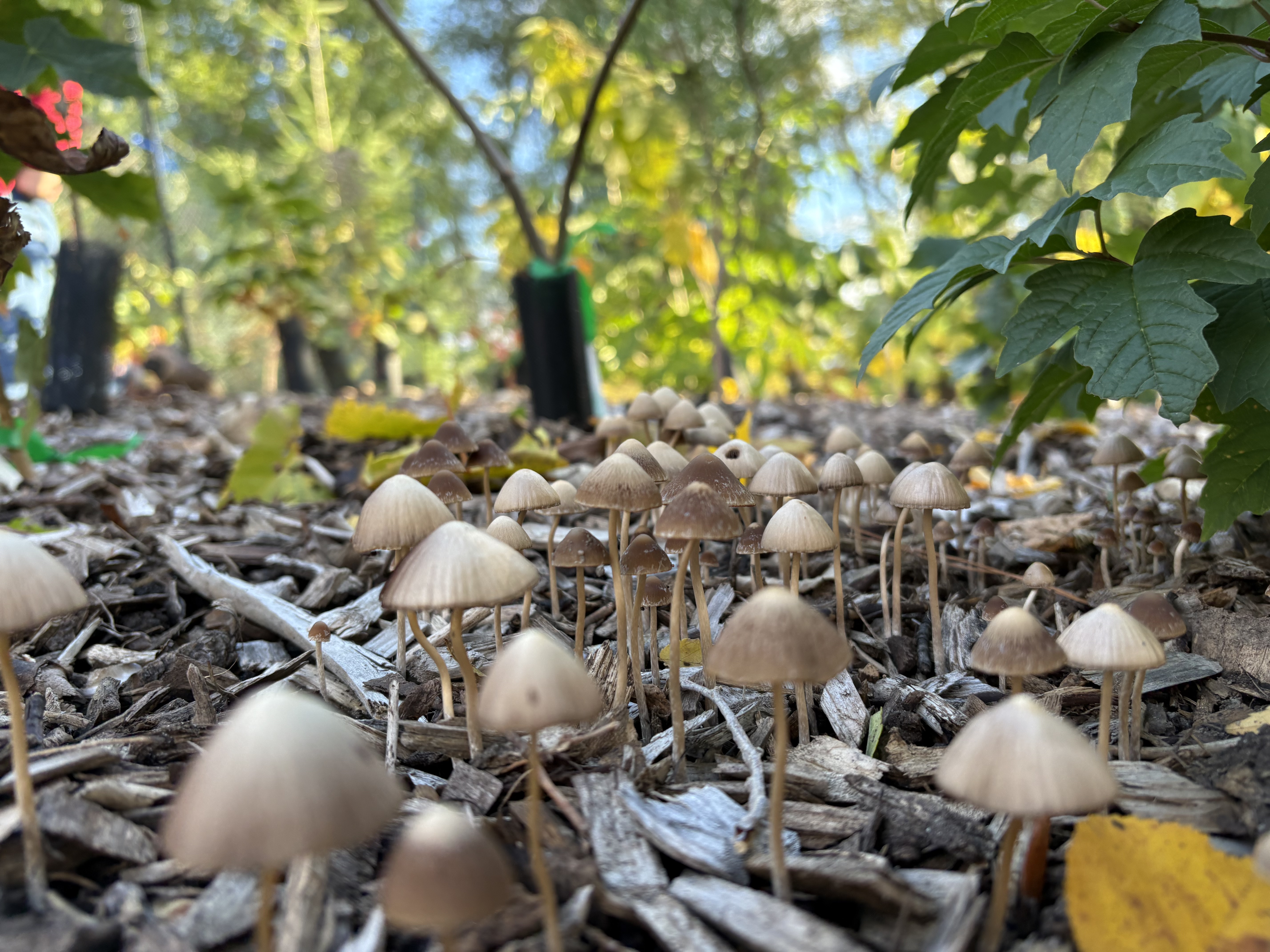
Dense cluster of tiny mushrooms emerging from wood chip mulch at the tiny forest, with the planting blurred behind
Fungi emerging from the mulch — evidence the soil ecosystem is activating exactly as the Miyawaki method predicts · Terry Fox, 2025

The team

People who actually go to the forest
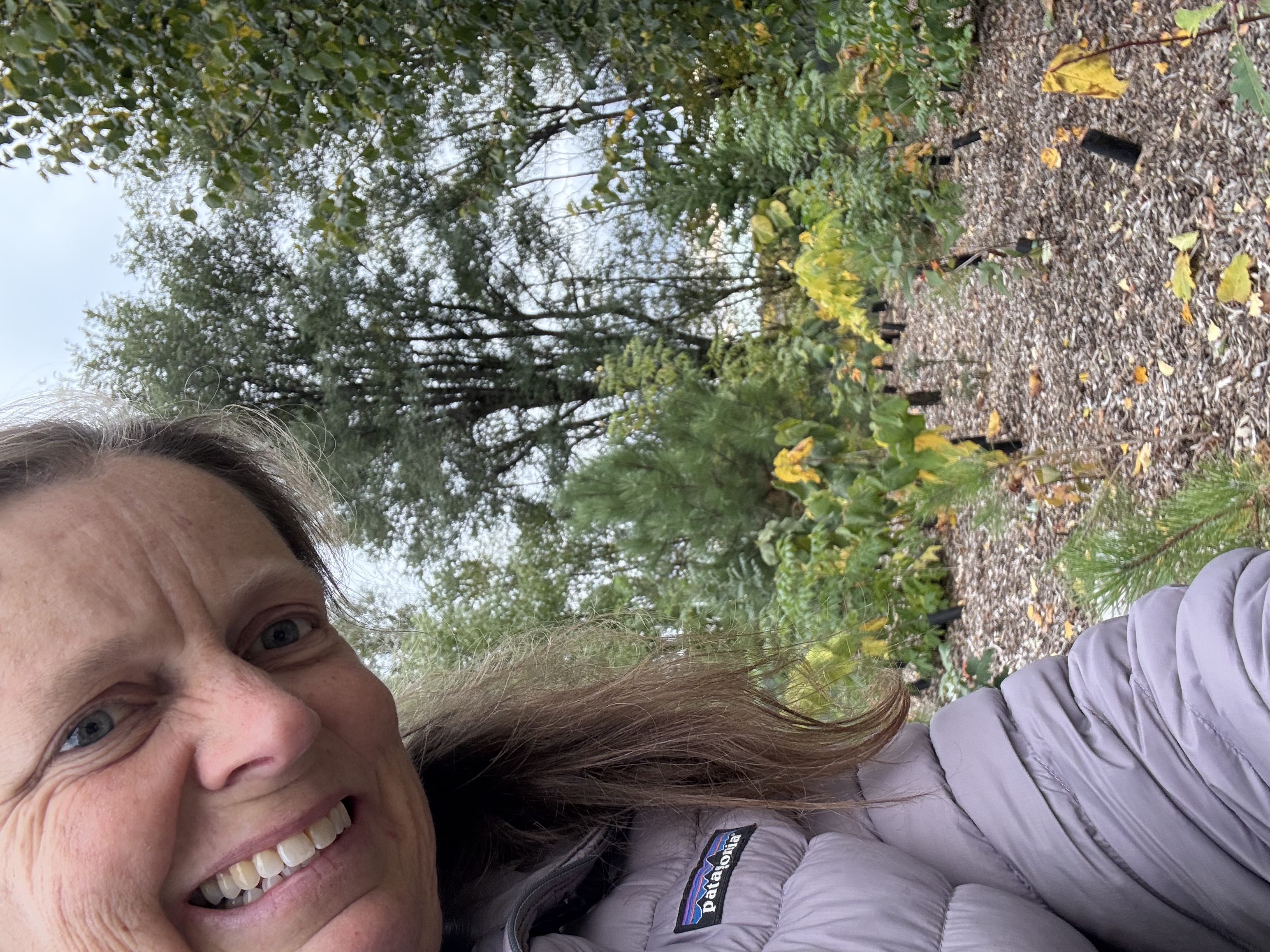
Karen at the Terry Fox tiny forest, the dense planting visible behind her
Karen — co-founder McGill · soundscape ecology · government · urban nature outreach
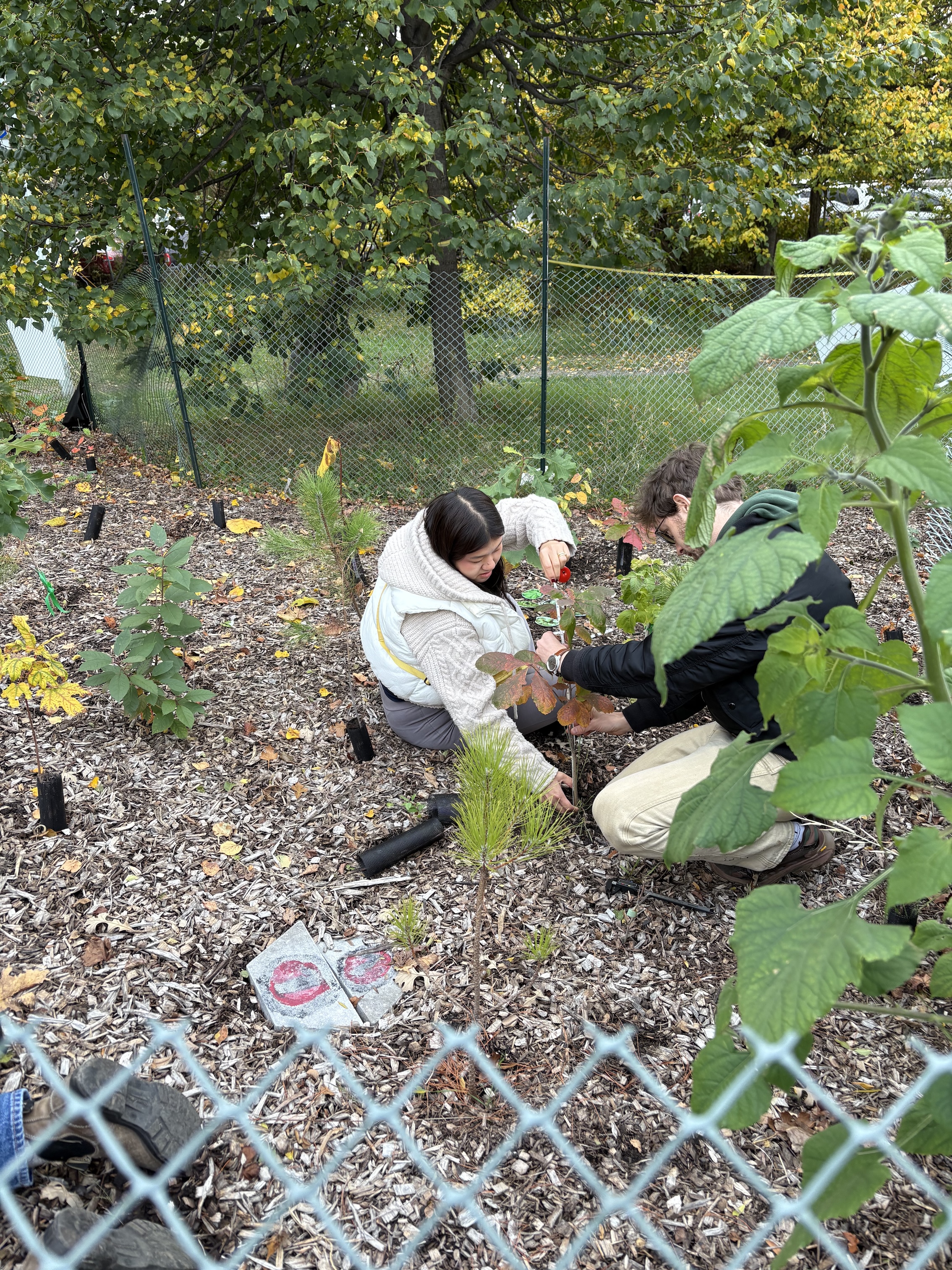
Three team members clustered together measuring a plant with clipboard and phone in the tiny forest
The team in the field McGill & Concordia co-founders + McGill engineering student
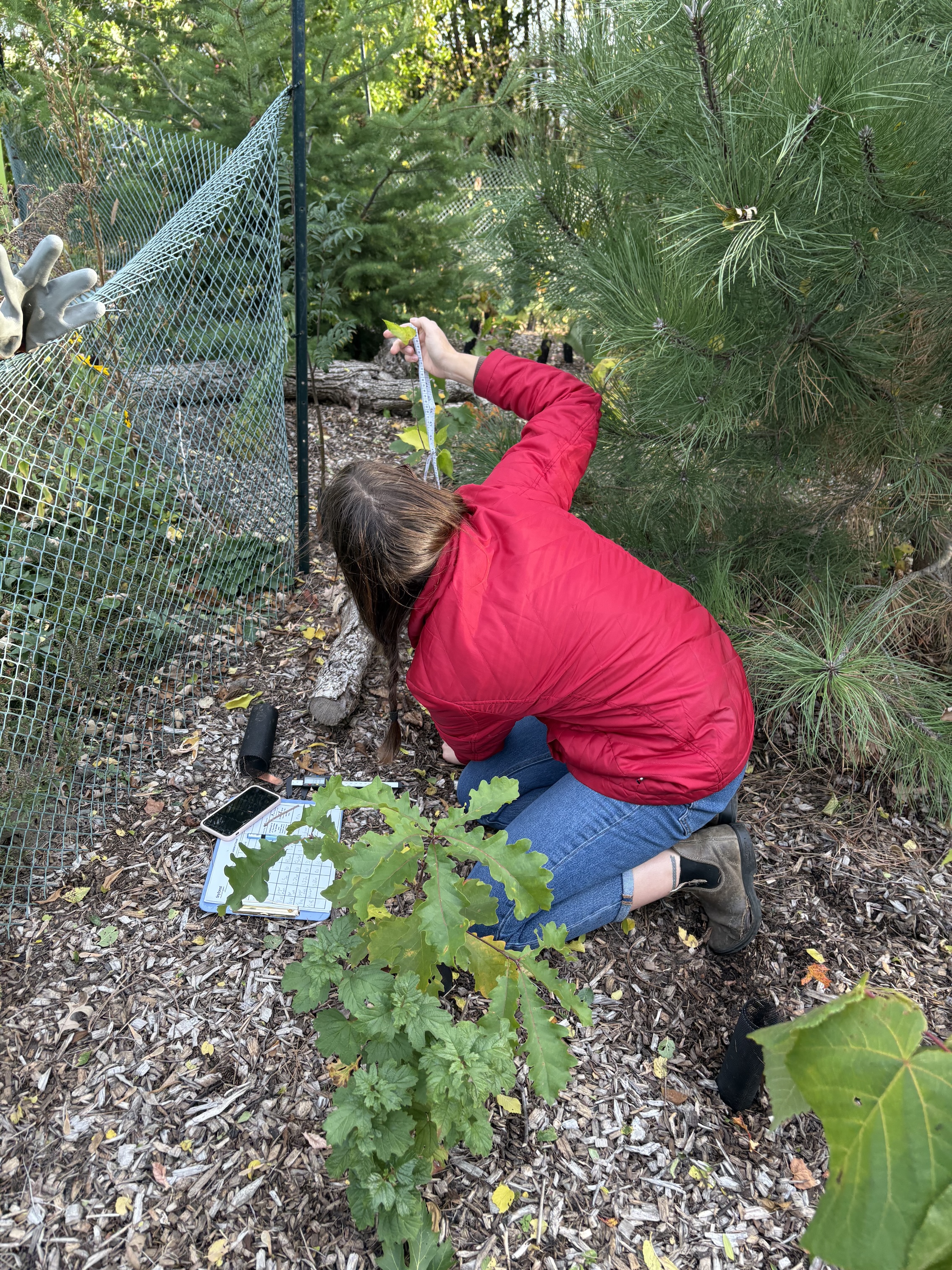
Team member kneeling with a tape measure reaching up into a pine tree, clipboard on the ground
Fieldwork · October 2025 Monthly monitoring sessions at Terry Fox and NDG sites
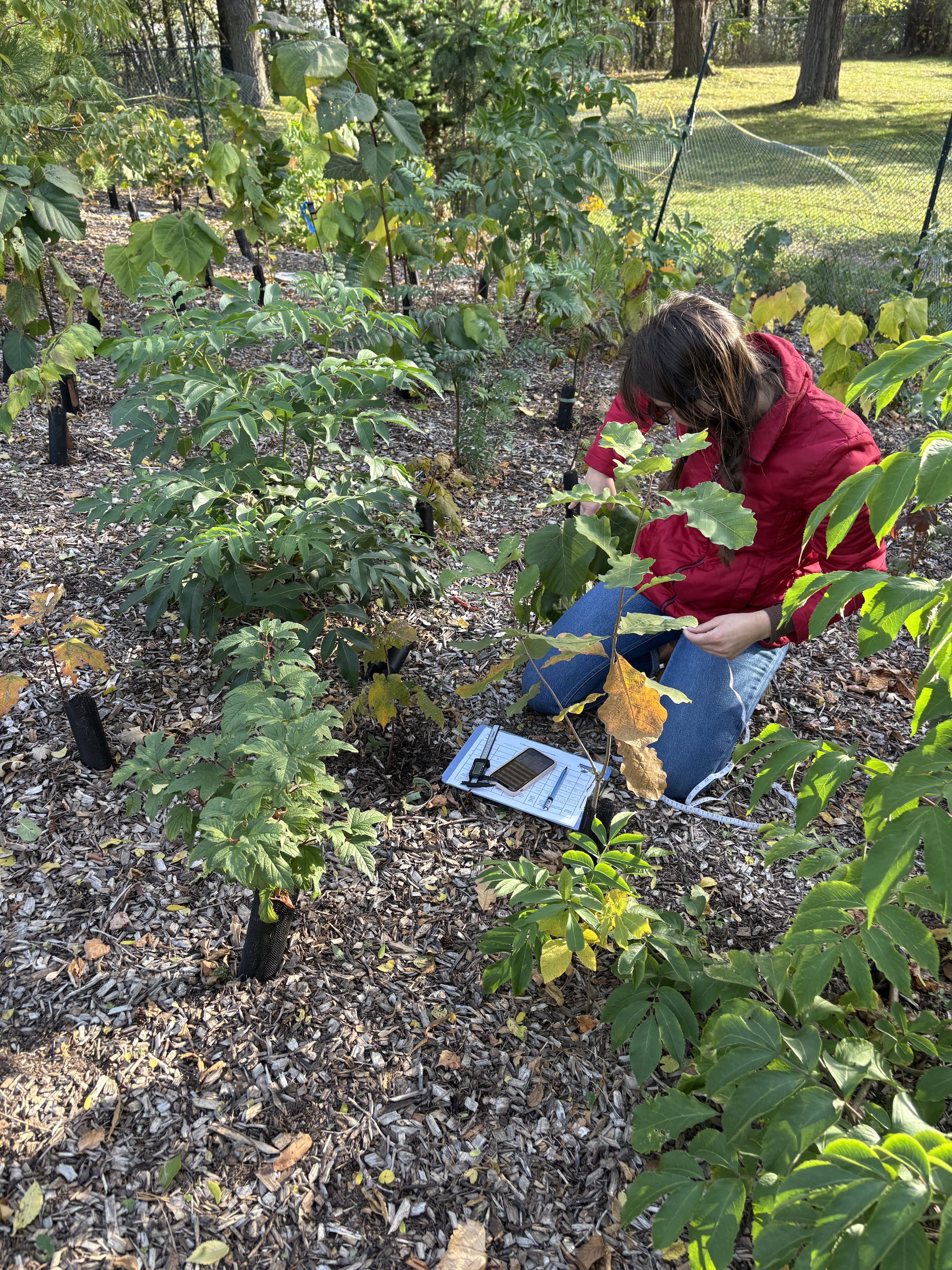
Researcher with clipboard sitting in dense green summer planting, measuring and recording tree data
Summer monitoring Tracking growth across the full season
We're early — and honest about it
Prototype stage · Fall 2026 deployment
We're placing our first three to four monitoring stations this fall. We're looking for founding partner sites who want real data from day one and are willing to help shape what we build.

Partners & collaborators

We integrate — we don't compete

Nature Contact is an integrator in a system that's currently fragmented. We work with the best available instruments and research communities, and contribute all data back to open-source databases.

Open Scribe Labs — BirdWeather PUC
California-based maker of the BirdWeather PUC, the AI-powered bioacoustics sensor at the core of our monitoring stations. Their BirdNET integration identifies over 6,000 species from audio.
Green Communities Canada
A national network of organizations planting tiny forests using the Miyawaki method, active in Kingston, Gatineau, Calgary, Nova Scotia, and across Canada.
ETS — sustainability engineering lab
Partner on power management technology, including solar and wind integration for remote deployment.
Concordia University — urban ecology lab
Research partner with expertise in urban biodiversity and soundscape ecology.
BirdNET open-source database
All species detection data feeds into the open BirdNET database, contributing to a global record of urban biodiversity available for carbon modelling and ecological research.

Founding partners

We're placing our first stations this fall

Three to four sites across Canada. If you're managing an urban planting and want real outcome data from day one, we want to hear from you.

Get in touch